

Assembly and function of bacterial nanomachines
We study how bacteria regulate, assemble and energise molecular machines: the flagellum, the injectisome, the conjugation machinery and anti-phage defence systems.
From a single protein to a nanomachine
A single protein measures a few nanometres. Bacterial nanomachines consist of thousands of protein subunits and span the cell envelope.
Our main model is the flagellum. It self-assembles from more than 20,000 subunits of about two dozen proteins. We also study what these machines cost the cell and how pathogens use them during infection. We combine bacterial genetics, biochemistry, fluorescence and super-resolution microscopy, microfluidics and biophysical modelling.
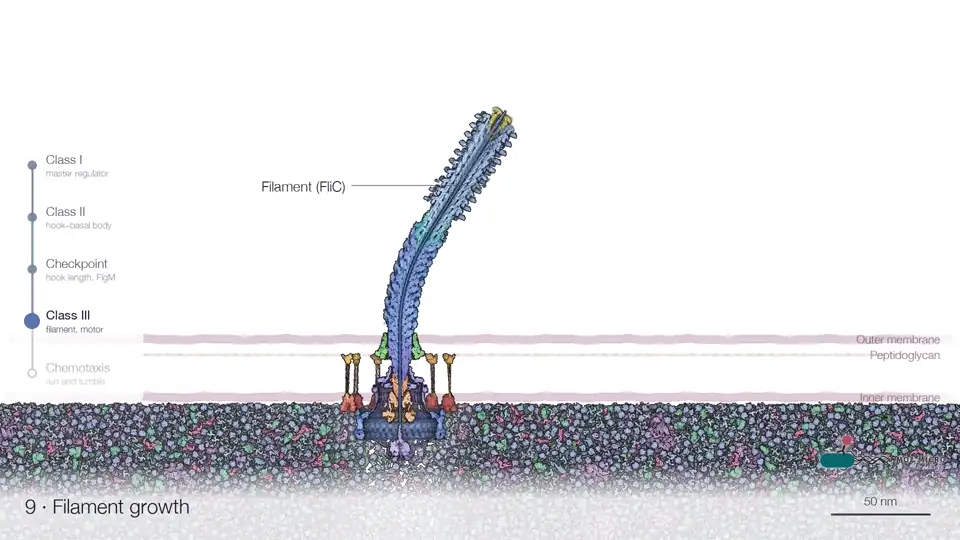 Scroll story
Build a flagellum
Scroll through the assembly of the flagellum, from the export gate to the swimming cell, with the structure of each step.
Research topics
Research overview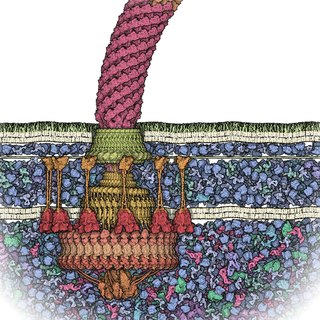 FlagellaAssembly, protein export and rotation of the bacterial flagellum
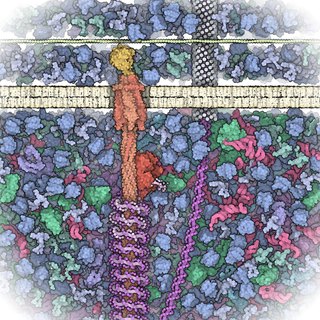 Phage defence5:2 rotary motors in motility and anti-phage defence
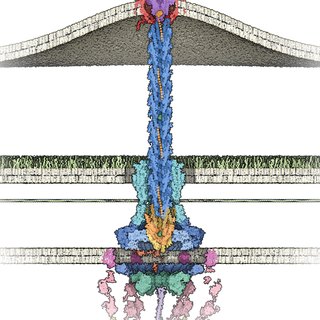 InjectisomeExpression and substrate targeting of the SPI-1 injectisome
 Host and pathogenCosts and benefits of motility during infection
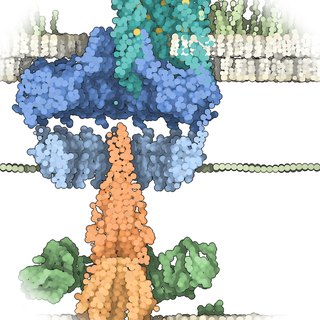 ConjugationDNA transfer by the conjugative type-IV secretion system
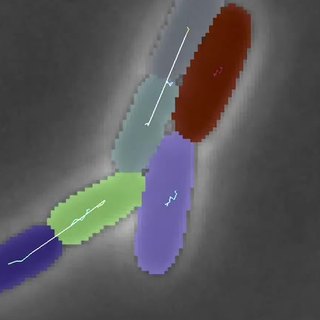 Image analysisImage analysis tools for single-cell microscopy
The Zorya defence system contains a relative of the flagellar stator unit
The flagellar stator unit MotA5B2 is a proton-driven rotary motor. A MotA pentamer rotates around a MotB dimer (Santiveri et al. 2020). ZorA5B2, the membrane complex of the Zorya anti-phage defence system, has the same 5:2 architecture and a 70 nm cytoplasmic tail (Hu, Popp et al. 2025).
Our data support a model in which ZorAB is activated when a phage perturbs the cell envelope. The ZorA tail then recruits the effectors ZorC and ZorD, which degrade the phage DNA.


Recent publications
All publications- The structure of the Vibrio alginolyticus flagellar filament suggests molecular mechanism for the rotation of sheathed flagellaK. Qin, R. Einenkel, W. Zhao, C. Kühne, J. Atherton, M. Erhardt#, J. R. C. Bergeron#Nature Communications (2026) 17
- Structure of a contractile injection system in Salmonella enterica subsp. salamaeR. N. Ejaz, K. Funke, C. S. Kielkopf, F. J. O. Martin, M. Šiborová, I. A. Hendriks, N. H. Sofos, T. Pape, E. M. Steiner-Rebrova, M. L. Nielsen, M. Erhardt#, N. M. I. Taylor#Nature Communications (2026) · bioRxiv preprint
- A compact Druantia defense clears phage infections via single-stranded DNA recognition and directional duplex unwindingS. Himpich, T. Gaudin, L. M. Grass, H. Li, V. Van Loi, C. Chen, E. Klauck, P. F. Popp, M. Feussner, B. Kuropka, T. Hilal, B. Loll, M. Erhardt, H. Antelmann, C. L. Beisel, M. C. WahlCell Reports (2026) 45 · bioRxiv preprint
- Defective queuosine and i6A/ms2i6A modification of tRNATyr cause frameshifting and protein aggregationY. Sun, N. Kaur, H. Zain, R. Arias-Cartin, B. Hamal, C. Kühne, M. Erhardt, F. Barras, P. A. Limbach, A. E. Ehrenhofer-MurrayNucleic Acids Research (2026) 54
- The FliI ATPase couples ATP hydrolysis to substrate switching in bacterial flagellar type-III secretionR. Einenkel, C. Kühne, M. Delgadillo-Guevara, L. Hallenga, C. Goosmann, M. Erhardt#mBio (2025) · bioRxiv preprint
News
All newsLab, software and equipment
Lab page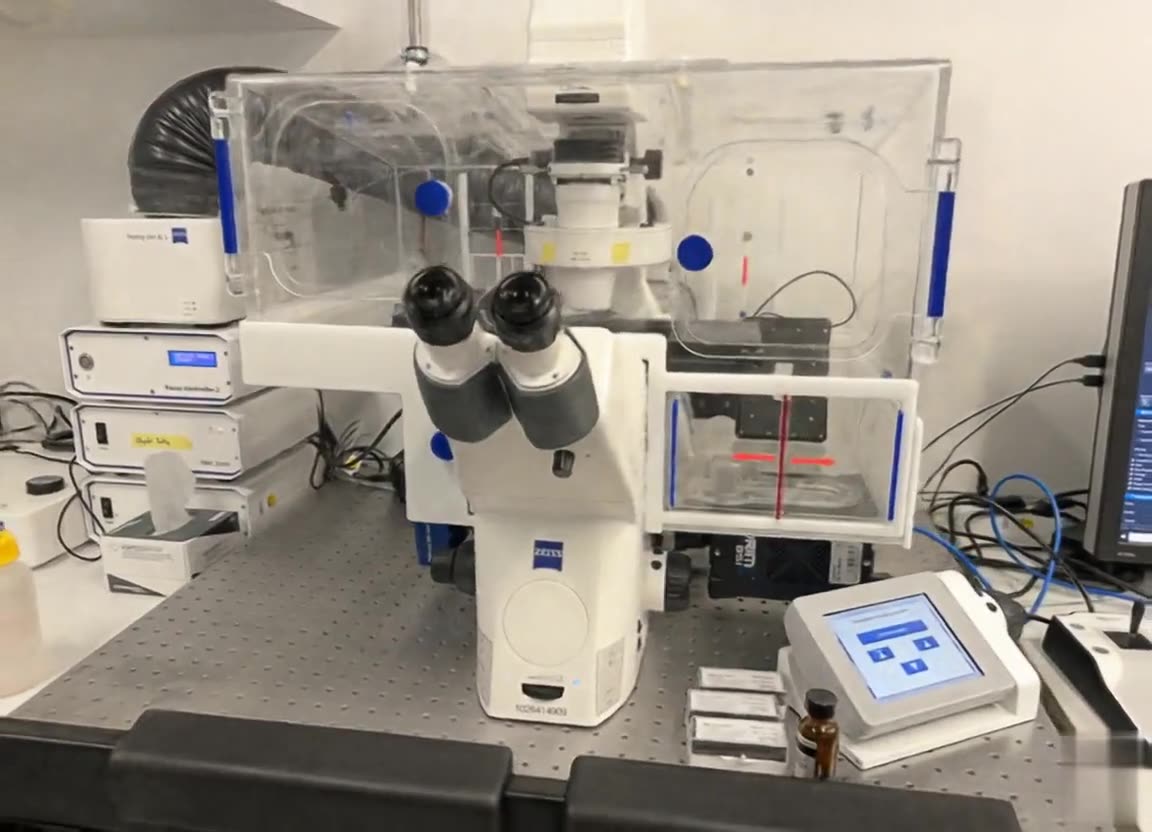 MicroscopesNikon TIRF microscope, Zeiss Axio 7 and STED microscope, each as a 3D capture
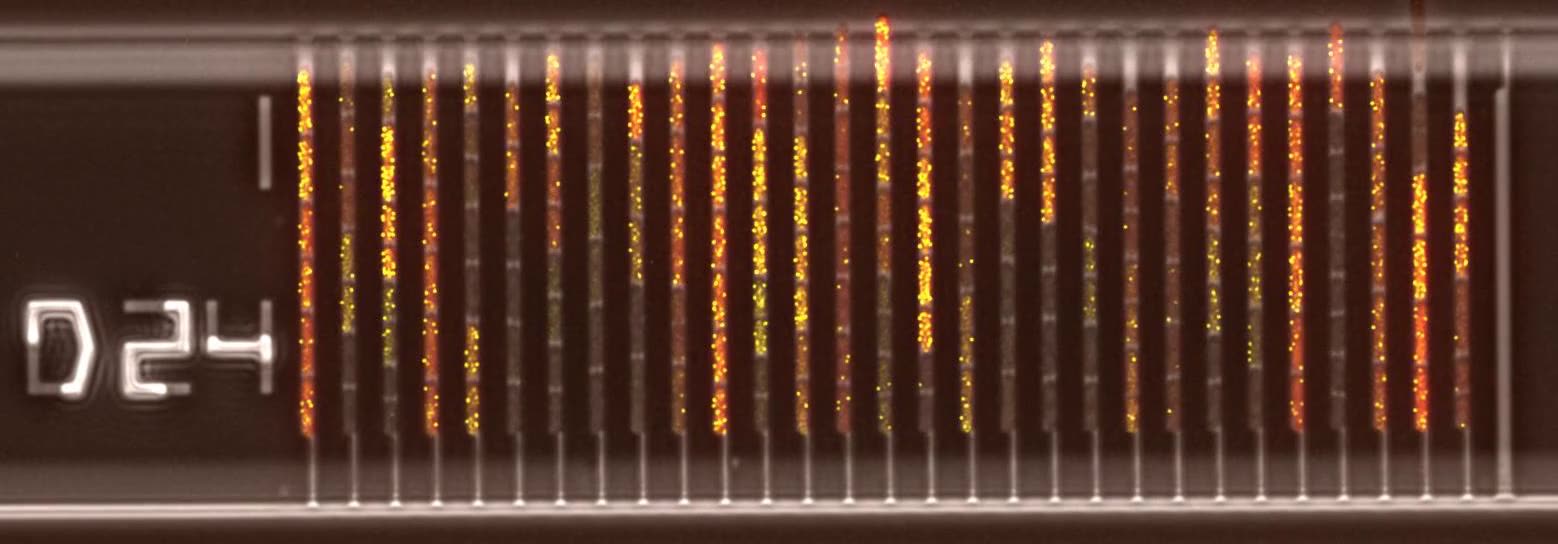 MethodsMother machine, live-cell microscopy, infection of host cells, genetics, biochemistry and RNA sequencing
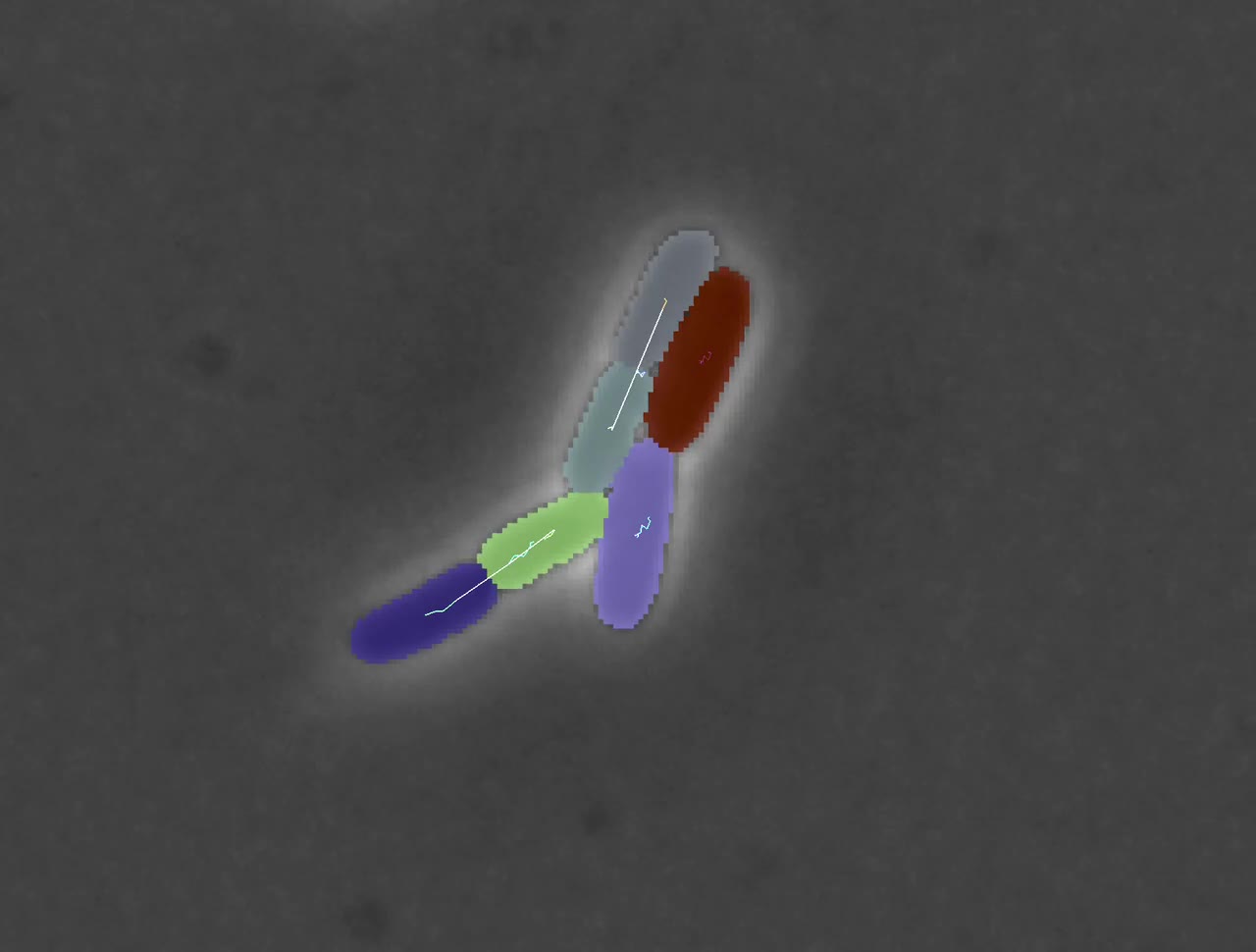 Image analysisSegmentation, tracking and quantification of single cells
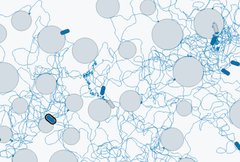 Motility simulationInteractive: strains with fewer or more flagella swim side by side
 Code on GitHubCode and scripts of our publications
Junior research groups
PeopleTwo independent junior research groups have emerged from the lab. Both are located at the Institute of Biology.

Molecular Infection Microbiology
Dr. Philipp PoppEinstein Independent Researcher group leader since 2026; joined the lab in 2020. The group studies how the anti-phage defence systems of bacteria act together in single cells.
molinfect.hu-berlin.de
Microbial Synthetic Biology
Dr. Gita NaseriEmmy Noether group leader since 2024; joined the lab in 2021. The group develops synthetic biology tools for bacteria, yeast and fungi and applies them in metabolic engineering.
synbio.hu-berlin.de
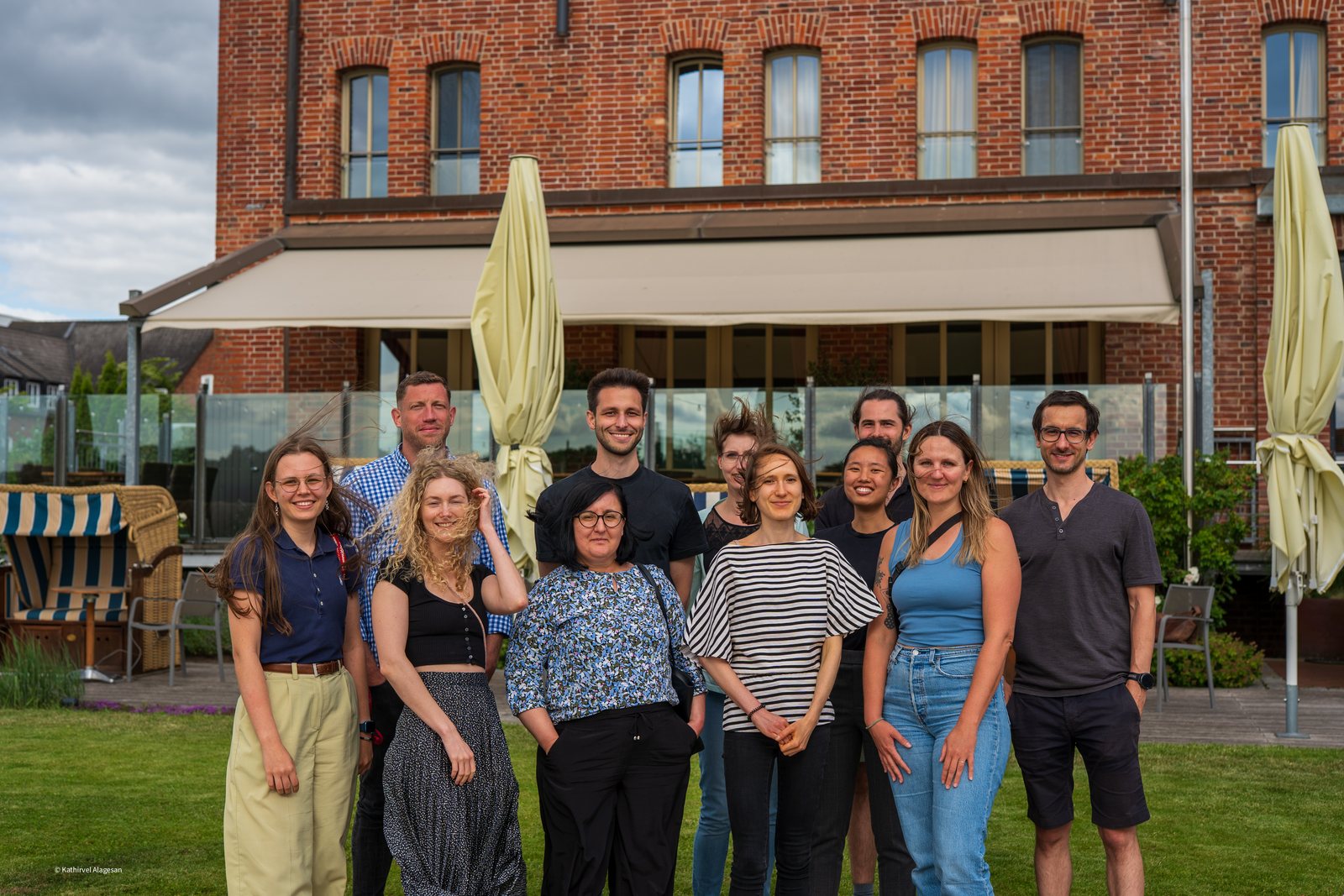
Team
The lab belongs to the Institute of Biology of Humboldt-Universität zu Berlin and is located on Campus Nord in Berlin-Mitte. Marc Erhardt is also a Max Planck Fellow and leads a second lab, the Erhardt Fellow Lab, at the Max Planck Unit for the Science of Pathogens.
Open positions
We accept applications from PhD students and postdocs, and from students who look for a Bachelor’s or Master’s thesis project.
Positions and theses