
Costs and benefits of motility during infection

Flagella cost the cell energy and protein, and the immune system recognises them. We measure under which conditions motility is beneficial for Salmonella.

Cost-benefit trade-off of flagellation (59 s; after Giralt-Zúñiga et al. 2026, preprint).
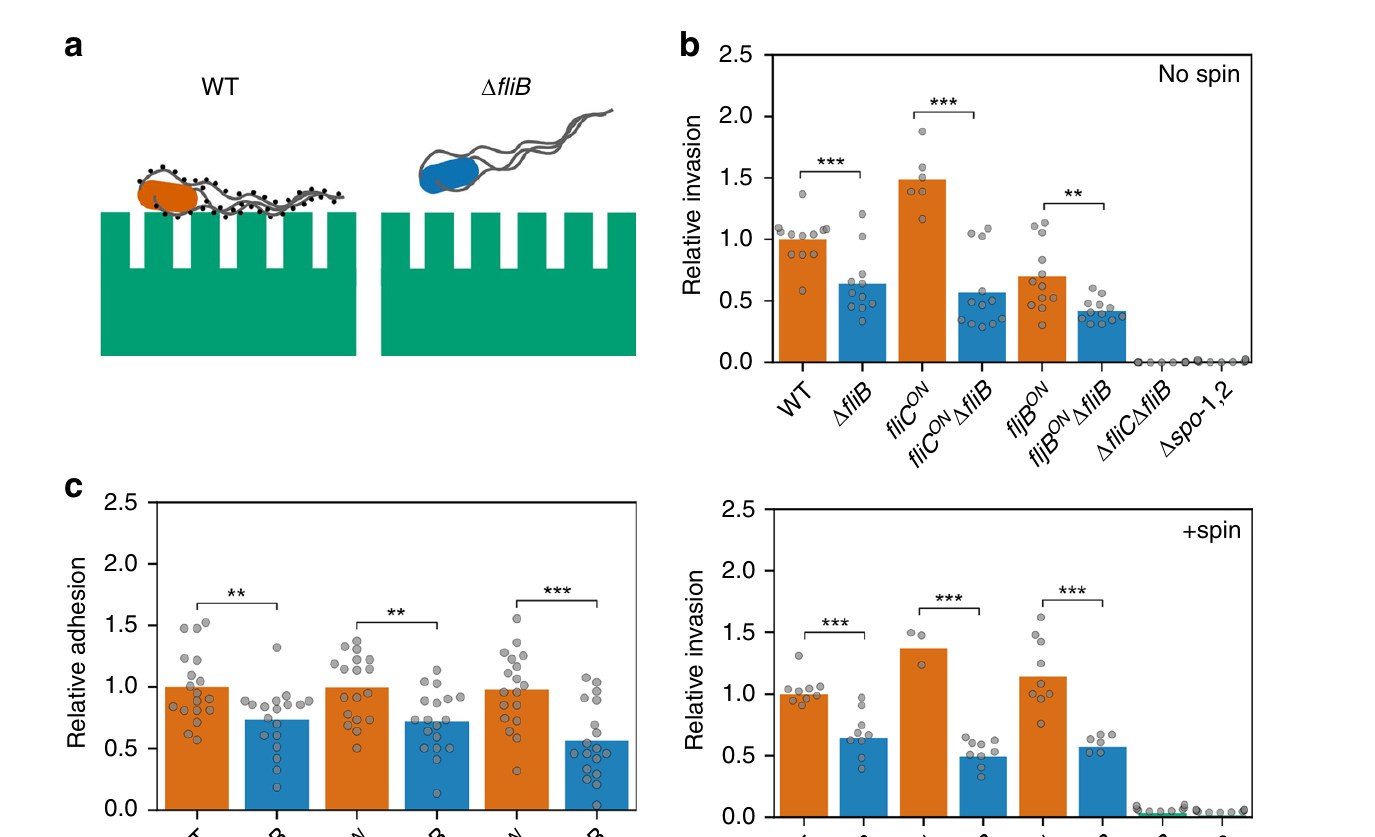
Fig. 4 of Horstmann et al. 2020, Nature Communications
Key figure Methylated flagella promote adhesion to and invasion of epithelial cells. Fig. 4 of Horstmann et al. 2020, Nature Communications, CC BY 4.0, cropped.

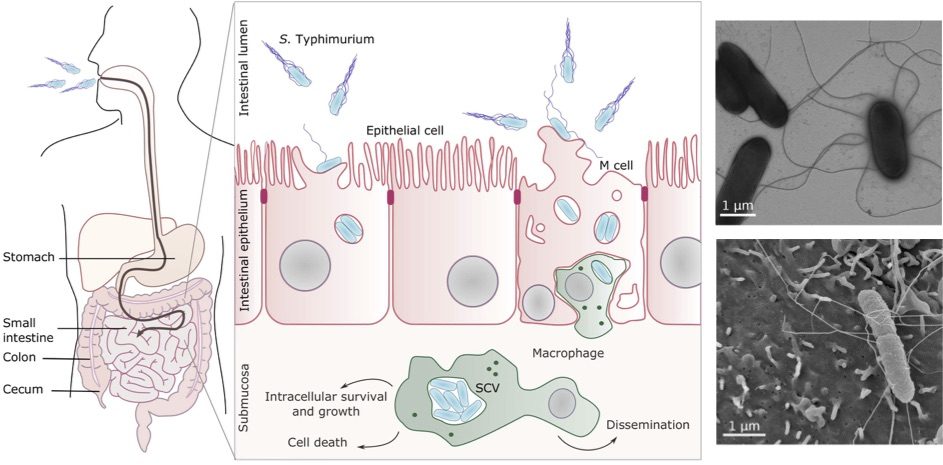
Salmonella enterica is a motile, intracellular pathogen. Non-typhoidal serovars such as Typhimurium usually cause self-limiting infections. Typhoidal serovars are restricted to humans and can cause severe systemic disease.

Findings

Promoter tuning of flhDC quantifies the cost-benefit trade-off of flagellation

We placed the flagellar master operon flhDC under synthetic promoters of increasing strength. We then measured growth, proteome allocation, swimming and spreading for each level of flagellation. The data define the trade-off between the cost of flagellar synthesis and the benefit of motility. An interactive motility simulation shows how the strains swim in liquid and in agarose.

Giralt-Zúñiga et al. 2026, bioRxiv (preprint)

Salmonella Paratyphi A is motile inside host cells

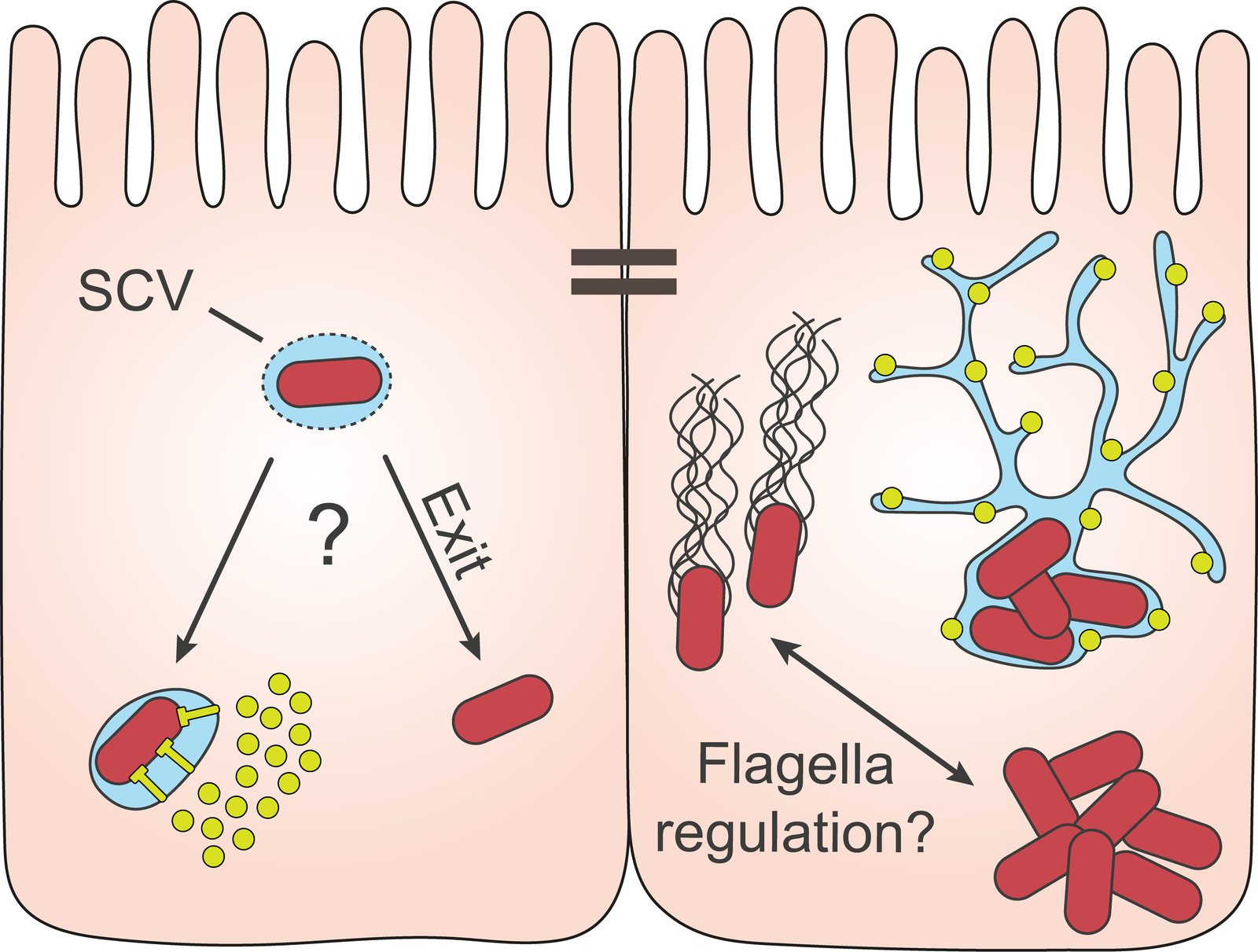
Salmonella assembles flagella before it enters epithelial cells and keeps them during invasion. Our preprint reports that the human-restricted serovar Paratyphi A uses these preassembled flagella for motility inside the host cell and to escape from the vacuole.

Lehmann et al. 2026, bioRxiv (preprint)

Salmonella Paratyphi A in a host cell.

Flagellin methylation promotes adhesion and invasion

Salmonella methylates lysine residues of flagellin. Methylation increased the hydrophobicity of the filament surface and promoted adhesion to and invasion of epithelial cells.

Horstmann et al. 2020, Nat Commun

Klebsiella oxytoca inhibits Salmonella infection

Together with the Strowig group, we showed that the commensal K. oxytoca inhibits Salmonella infection through several mechanisms that depend on the microbiota context.

Osbelt et al. 2024, Nat Microbiol

Current projects

Exit strategies of intracellular Salmonella

DFG priority programme SPP 2225

After invasion, Salmonella resides in the Salmonella-containing vacuole. We test whether flagella-mediated motility of S. Paratyphi A contributes to escape from the vacuole or from the host cell. We use live-cell and super-resolution microscopy and single-cell analysis.

Contact: Maximilian Lehmann, E-mail · SPP 2225

Selected publications

Next topic: DNA transfer by the conjugative type-IV secretion system